Why Some Luxury Homes Sit—Even When They’re Beautiful
country club, golf, tennis, equestrian
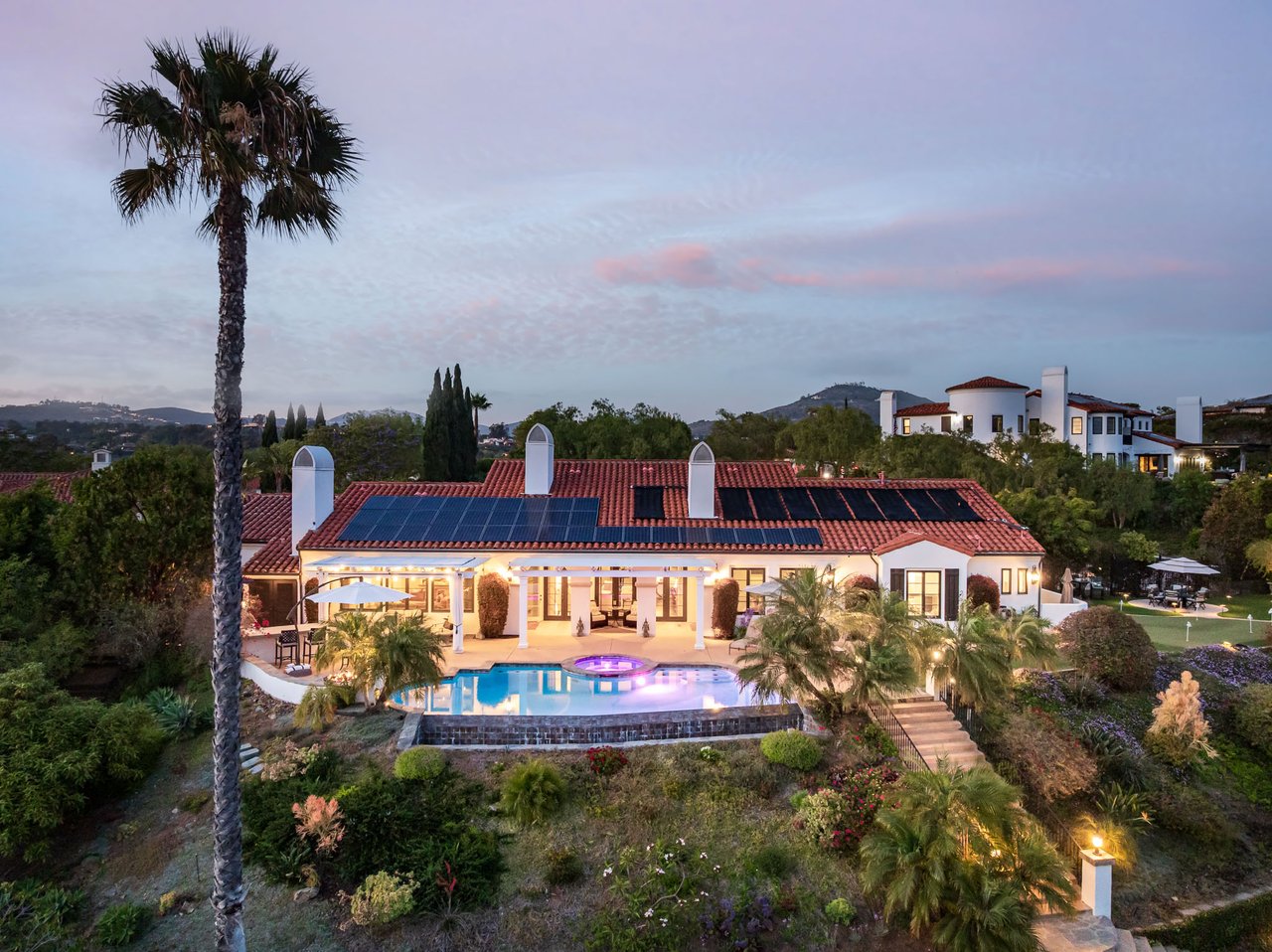
country club, golf, tennis, equestrian
Why Some Luxury Homes Sit—Even When They’re Beautiful
Beauty earns attention. But beauty alone does not create urgency.
Some luxury homes are undeniably impressive. They have exquisite finishes, beautiful grounds, generous square footage and every amenity a buyer could want—and yet, they sit.
It is easy to assume the market simply has not found the right buyer. Sometimes that is true. Luxury real estate naturally moves at a different pace because the buyer pool is smaller and the properties are more individual. But when a beautiful home remains on the market without meaningful activity, there is usually more to the story.
The issue is rarely one dramatic flaw. More often, it is a subtle disconnect between the property, the price and the way the home is being presented to the market.
The price reflects the seller’s investment, not the buyer’s perception
Luxury homeowners often have a deeply personal relationship with their property. They remember what they paid, what they spent improving it and how much care went into every decision.
But buyers do not assign value based on effort or investment alone. They compare the property with every other opportunity available to them.
A custom renovation may have been expensive, but if the design is highly personal, a buyer may already be calculating the cost of changing it. A large estate may offer tremendous square footage, but if portions of the home feel underused or disconnected, buyers may not value every foot equally.
The right price does not diminish what has been created. It translates the property’s value into the language of the current market.
When a home is positioned even slightly above where buyers perceive its value, they often do not negotiate. They simply wait.
The home is beautiful, but the story is unclear
Every memorable luxury property needs a point of view.
A buyer should quickly understand what makes the home different, how it feels to live there and why it cannot be easily replaced. Without that clarity, even a stunning estate can begin to feel like a collection of attractive rooms.
The strongest marketing does more than document features. It creates context.
It reveals the quiet of the morning courtyard. The way the light moves through the kitchen. The privacy surrounding the pool. The view from the primary suite at sunset. The ease of opening the doors and gathering with friends outside.
Luxury buyers are not simply purchasing architecture. They are purchasing a version of their future life.
If the marketing does not communicate that life, the property may be admired without being desired.
The first impression does not match the price
At the luxury level, buyers expect a sense of completeness.
They notice the approach to the property, the landscaping, exterior paint, lighting, hardware, windows and condition of the driveway. They notice whether the furnishings support the architecture and whether each room feels intentional.
A home does not need to be newly renovated to command a premium, but it does need to feel cared for.
Small maintenance issues can create larger questions. If buyers see deferred landscaping, dated systems or unfinished repairs, they begin wondering what else may have been overlooked.
The emotional effect is important. Buyers should be imagining themselves living in the home—not mentally creating a repair list before they reach the kitchen.
The home photographs beautifully but does not feel the same in person
Photography can generate interest, but the in-person experience must fulfill the promise.
Wide-angle images may make rooms appear more expansive than they feel. Heavily edited skies, overly bright interiors or photographs that minimize nearby roads and neighboring properties can create an expectation the home cannot meet.
That disconnect is difficult to overcome.
The best luxury marketing is aspirational, but it is also honest. It highlights the property’s strongest qualities while allowing the home to feel even better when a buyer arrives.
A beautiful property should not merely look good online. It should reveal something more compelling in person.
The design is exceptional, but highly specific
Not every luxury buyer wants the same version of luxury.
One person may be drawn to formal architecture, elaborate stonework and richly detailed interiors. Another may want quiet materials, open spaces and a more relaxed indoor-outdoor experience.
A highly customized home can be extraordinary and still appeal to a narrow audience. This does not mean the property is less valuable, but it does affect positioning, timing and the way it should be marketed.
When the design is specific, the strategy must become more precise. The goal is not to appeal superficially to everyone. It is to create a strong emotional response from the right buyer.
The launch failed to create a moment
A luxury listing should feel like an introduction, not an upload.
The earliest days on the market carry tremendous value. This is when the home is fresh, agents are curious and buyers are most likely to believe they may have competition.
A thoughtful launch brings the property to market with intention: refined visual storytelling, strategic exposure, direct agent outreach and a clear reason to pay attention now.
When a home enters the market quietly, with incomplete preparation or inconsistent messaging, it can lose that initial energy. Once it has been available for an extended period, buyers often begin asking what is wrong with it—even when nothing is.
That is why the first impression in the marketplace matters just as much as the first impression at the front door.
Access creates unnecessary friction
Luxury buyers are often balancing demanding schedules, travel and multiple markets. If a property is difficult to show, requires excessive notice or is unavailable during key windows, momentum can disappear quickly.
Privacy and security are important, but the showing experience should still feel effortless.
The home should be ready. The temperature should be comfortable. The lighting should be intentional. Doors should be open to the most important outdoor spaces. The arrival should feel calm and considered.
At this level, showing a home is not simply about providing access. It is about creating an experience.
The market has spoken, but the strategy has not changed
One of the greatest risks in luxury real estate is treating a lack of response as no information.
Silence is information.
If there are few showings, the market may be resisting the price or the positioning. If there are showings but no second visits, something about the experience is not connecting. If buyers consistently mention the same concern, that concern has become part of the property’s market value—whether or not the seller agrees with it.
A strong strategy evolves. It listens to patterns, separates meaningful feedback from casual opinion and responds before a listing becomes stale.
Sometimes that means adjusting the price. Sometimes it means improving the presentation, changing the story or relaunching the property with greater intention.
The real issue is alignment
When a beautiful luxury home sits, the question is not simply, “Why hasn’t someone bought it?”
The better question is: Where is the disconnect?
Is the price aligned with today’s alternatives? Does the presentation support the level of the property? Is the marketing communicating something emotionally compelling? Does the experience of the home match the promise?
Luxury buyers do not need to be convinced that a beautiful home is beautiful. They need to understand why this particular home is worth choosing—and why it is worth choosing now.
Beauty creates interest.
Alignment creates movement.
Reach out if your are looking in my community to make a move.
Every home has a unique story and Bree Bornstein would love to tell yours. We understand luxury real estate in San Diego County and have the numbers to prove it. Our primary objective in partnering with you — achieve the highest net proceeds as quickly as possible. To inquire about any of our exclusive listings or schedule a consultation, please contact us.